

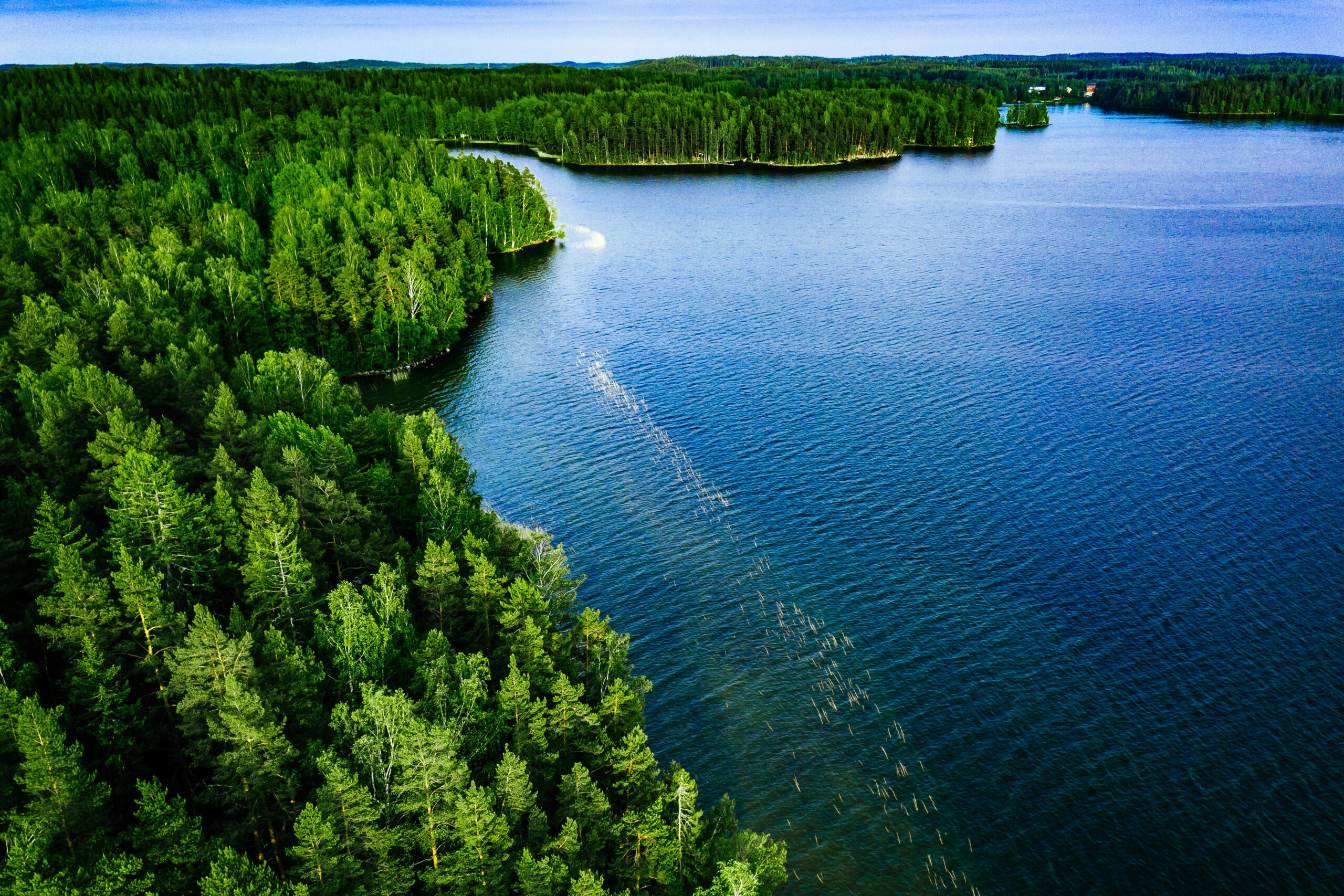
The Blue Economy is emerging as one of the most dynamic frontiers of sustainable development—linking ocean health, coastal resilience, freshwater systems, and marine innovation with new forms of livelihood, enterprise, and stewardship. At the Hauenstein Institute, our approach to Blue Economy Skills recognises that thriving water‑based economies depend not only on technical expertise but on ethical leadership, cultural understanding, and regenerative thinking.
Blue Economy Skills encompass the capabilities needed to protect, restore, and responsibly develop the world’s oceans, rivers, lakes, and coastal regions. They include knowledge of marine ecosystems, circular and restorative economic models, climate‑resilient infrastructure, and sustainable food and energy systems. But they also require something deeper: the ability to work collaboratively across sectors, honour local and Indigenous knowledge, and make decisions that balance economic opportunity with ecological integrity.
HI’s pathway into Blue Economy Skills integrates three core commitments. First, we emphasise ecological literacy, helping learners understand the interdependence of water systems, climate, biodiversity, and human wellbeing. Second, we draw on inclusive sustainability, ensuring that coastal and water‑based development benefits communities equitably and respects cultural and place‑based identities. Third, we embed integral regeneration, supporting learners to design solutions that restore marine and freshwater ecosystems while enabling long‑term prosperity.
From coastal communities adapting to climate change, to innovators developing regenerative aquaculture, to organisations seeking to align with global ocean‑health goals, Blue Economy Skills are becoming essential. HI provides a grounded, accessible entry point into this rapidly evolving field—equipping people with the insight, imagination, and practical tools needed to steward the blue world on which all life depends.







Leave a Reply